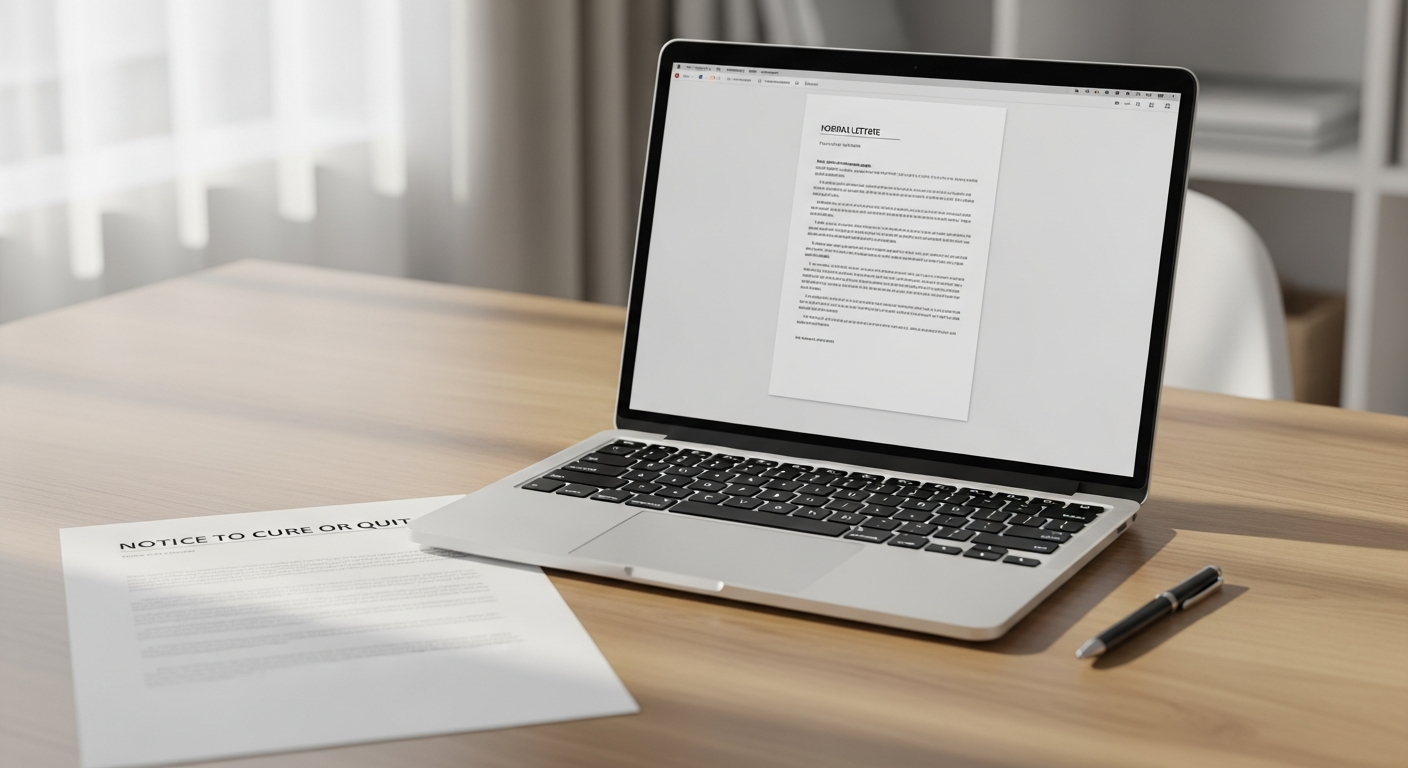
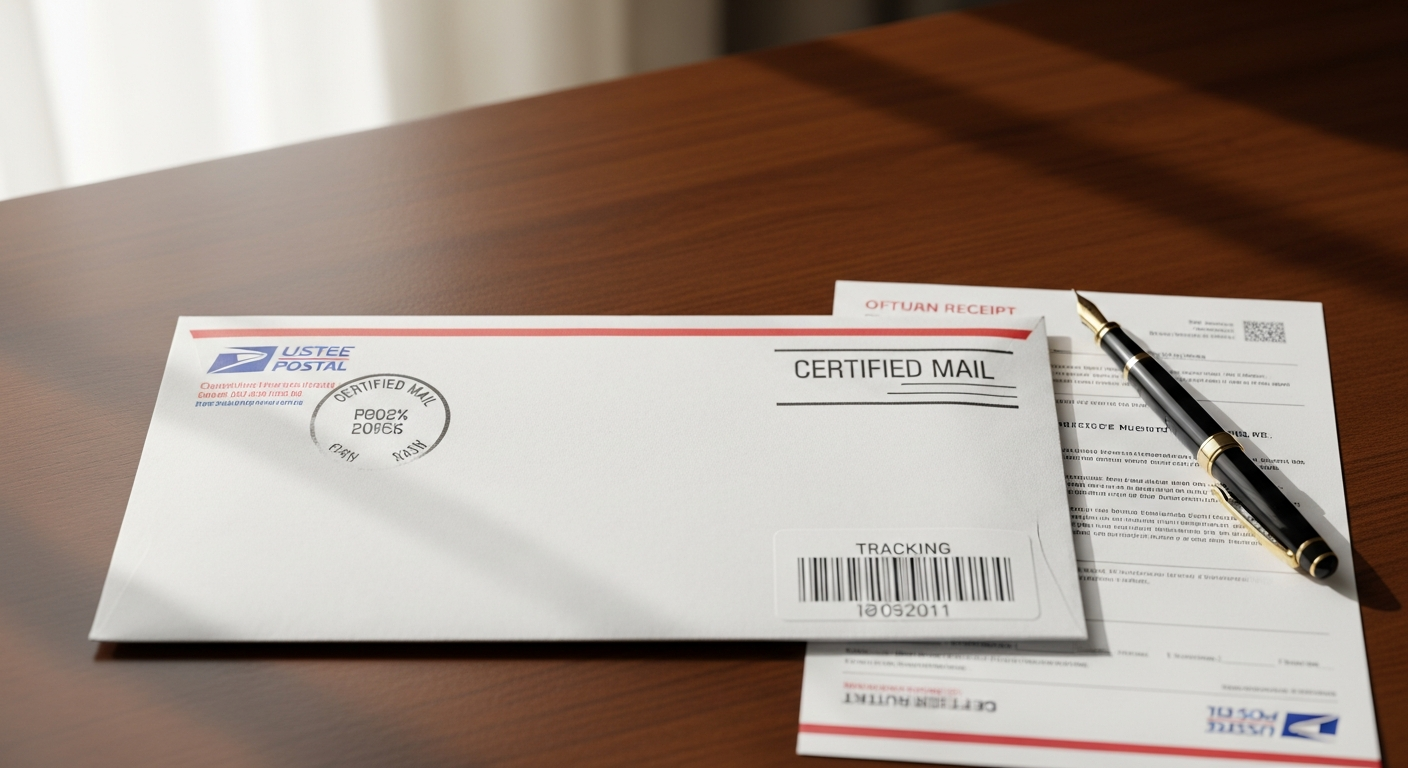
Sending a demand letter by certified mail is one of the most important steps you can take before pursuing legal action. Done correctly, it creates a documented paper trail that courts recognize, signals seriousness to the recipient, and often resolves disputes without litigation. Done wrong — or skipped entirely — it can weaken your position before you even file.
This guide covers every step of the process: what certified mail actually proves, when it's legally required versus simply smart, the exact cost breakdown, how to send it online without visiting the post office, and what to do when the recipient plays games and refuses the envelope.
What you'll need before starting:
- A completed demand letter (signed, dated, with a clear payment deadline or requested action)
- The recipient's full legal name and current mailing address
- A USPS account or access to an online mail platform
- Approximately $5–$10 for postage and fees
What you'll achieve: A legally documented demand letter with proof of mailing, a tracking number, and a signed delivery confirmation — the foundation for any court filing if the dispute escalates.
Step 1: Understand Why Certified Mail Matters for Demand Letters
Before touching an envelope, understand what you're actually buying when you pay for certified mail. You're not just paying for delivery. You're paying for evidence.
USPS Certified Mail provides:
- A unique tracking number assigned at the time of mailing
- Proof of mailing — a dated receipt stamped by USPS
- Delivery confirmation — a record of when the letter was delivered or attempted
- Return Receipt (optional) — a physical or electronic signature from whoever accepted the mail
That paper trail matters. If you ever file in small claims court, pursue breach of contract litigation, or escalate to a collections attorney, you'll need to demonstrate that the other party received — or had a fair opportunity to receive — your demand. A certified mail receipt satisfies that burden in virtually every U.S. jurisdiction.
Compare that to a regular email. Email can be ignored, marked as spam, or disputed. A certified letter sitting in the recipient's hand, requiring their signature, is much harder to deny.
For deeper context on what a demand letter is and what legal weight it actually carries, see this overview of what a demand letter is and when courts recommend sending one.
Step 2: Confirm Whether Certified Mail Is Legally Required in Your Situation
Certified mail is not always legally required — but it is almost always the right choice. Here's how to think about this.
When certified mail is legally required or strongly recommended:
- Insurance claims: Many states require demand letters to insurers to be sent via certified mail to trigger statutory response deadlines.
- Landlord-tenant notices: Most states specify certified or registered mail for pay-or-quit notices, lease termination, and security deposit demands. Read the legal requirements for sending landlord-tenant notices by mail before you proceed.
- Debt collection: The Fair Debt Collection Practices Act (FDCPA) governs written communication timing — certified mail establishes the date the 30-day dispute window begins.
- Pre-litigation demand letters: While no federal law mandates certified mail for general demand letters, courts routinely expect documented delivery attempts. Certified mail satisfies this.
When First-Class Mail may be sufficient:
Some attorneys send demand letters via USPS First-Class Mail and certified mail simultaneously. The logic: if the recipient claims they never got the certified letter (because they refused it — more on that in Step 7), the First-Class envelope usually slips through without requiring a signature. Courts have accepted this "belt and suspenders" approach in multiple jurisdictions.
The bottom line: use certified mail for every demand letter unless your attorney advises otherwise. The cost is minimal. The protection is significant.
Step 3: Finalize and Review Your Demand Letter
A demand letter sent by certified mail to a poorly written letter is a wasted trip to the post office. Before you seal the envelope, your letter needs to include:
- Your full name and address (the sender)
- The recipient's full legal name and address
- The date of the letter
- A clear statement of the dispute — what happened, when, and who is responsible
- The specific amount owed or action demanded
- A firm deadline — typically 14 to 30 days
- A statement of consequences — what you'll do if they don't comply (file in small claims, escalate to an attorney, report to a credit bureau, etc.)
- Your signature
Vague letters get ignored. Specific ones get results. State the exact dollar amount. Name the exact date of the original agreement or incident. Reference the invoice number if one exists.
If you haven't written your letter yet, WriteToMail's demand letter template walks you through these components and lets you customize the language to fit your situation — without hiring an attorney.
Step 4: Choose How You'll Send the Letter — Post Office vs. Online Platform
Two routes exist. Both result in a physical certified letter delivered by USPS. The process and convenience differ significantly.
Option A: USPS Post Office (In-Person)
- Print your demand letter and place it in an envelope
- Go to your local post office counter (not a self-service kiosk for certified mail)
- Request "Certified Mail with Return Receipt" (PS Form 3800)
- Pay for the service — current costs below
- Keep your mailing receipt and tracking number
The friction: You need a printer, an envelope, and time in line. If you're mailing during a dispute where deadlines matter, "I'll get to the post office tomorrow" is a real risk.
Option B: Online Platforms
Online print-and-mail platforms let you compose, customize, and mail a physical letter from your browser. You upload your document (or write it in a rich text editor), enter the recipient's address, and the platform handles printing, enveloping, stamping, and USPS handoff.
WriteToMail, for example, lets you draft a demand letter using a built-in template or AI-assisted writing, upload an existing PDF, and send it as a physical USPS letter — all without a printer, stamps, or a post office visit. For law firms and individuals with multiple letters to send, this workflow replaces hours of manual processing.
For a full walkthrough of how online mail platforms work from composition to delivery, the guide on sending physical mail online covers the end-to-end process.
Step 5: Calculate the Cost of Certified Mail in 2026
Here's what you'll pay through USPS as of 2026:
| Service | Cost |
|---|---|
| First-Class postage (1 oz letter) | $0.73 |
| Certified Mail fee | $4.85 |
| Return Receipt (physical PS Form 3811) | $3.55 |
| Return Receipt Electronic (email confirmation) | $2.20 |
| Total with electronic return receipt | ~$7.78 |
| Total with physical return receipt card | ~$9.13 |
For most demand letters, the electronic return receipt is sufficient and easier to store. The physical green card gets mailed back to you after delivery — useful if you want a tangible paper document for a physical file.
Online platforms may bundle these services differently. WriteToMail's pricing page shows current rates for its physical mailing service, which includes USPS First-Class Mail delivery.
One cost note: Certified mail is worth every cent compared to the alternative. Filing fees in small claims court alone typically range from $30 to $100+ depending on your state — and that's before you factor in your time.
Step 6: Send the Letter and Record the Details
Whether you go through the post office or an online platform, keep a complete record of everything the moment you send:
- Date of mailing — write it down, don't rely on memory
- USPS tracking/confirmation number — screenshot or print it
- Copy of the letter — keep the exact version you sent, not a revised draft
- Proof of postage — the USPS receipt or your platform's confirmation email
Create a folder (physical or digital) for this dispute and store everything in it. If this escalates to court, you'll produce these documents as exhibits. Gaps in your paper trail hurt your credibility even when you're clearly in the right.
Expected outcome at this step: You have sent the letter, recorded the tracking number, and stored a copy of everything. The USPS tracking portal will show the letter in transit within 24 hours.
Step 7: Track Delivery and Handle Refusal or Non-Delivery
This is where many people get tripped up. The letter went out. Now what?
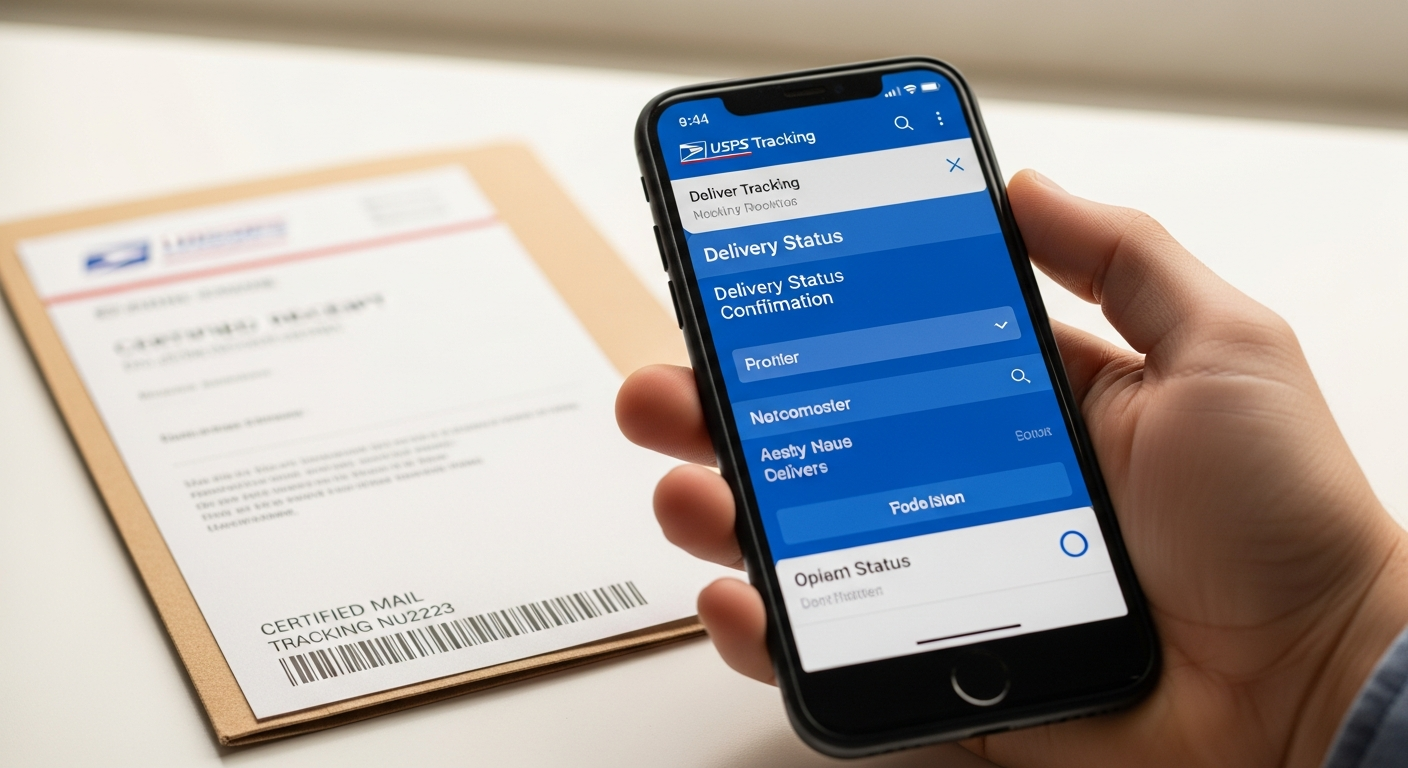
Track it at USPS.com using your certified mail tracking number. You'll see in-transit updates and a delivery confirmation event when it's signed for.
What if the recipient refuses delivery?
Refusal of certified mail is a real tactic. Some people believe that if they never sign for the letter, they can claim ignorance. Courts disagree — in most jurisdictions, deliberate refusal of certified mail constitutes notice. The refusal itself is documented by USPS and returned to you, which you can produce as evidence.
To protect against this, follow the dual-send approach:
- Send one copy via Certified Mail with Return Receipt
- Send a second copy via regular USPS First-Class Mail the same day
Document both sends. If the certified copy comes back refused, the First-Class copy almost certainly reached the recipient. Courts have consistently held that this combination satisfies notice requirements.
What if USPS shows "no such number" or the letter is returned undeliverable?
You may have the wrong address. Before re-sending, try:
- A property records search (county assessor's website)
- LinkedIn or professional directory lookup
- Sending to a known employer or business address
- A licensed process server if you're escalating to litigation
Common Mistakes When Sending Demand Letters by Certified Mail
Sending to the wrong address. Verify the legal name and current address before anything else. For businesses, use your state's business entity lookup tool to find the registered agent's address.
Skipping the return receipt. The tracking confirmation tells you the letter was delivered. The return receipt tells you who signed for it. For legal purposes, the signature is the stronger evidence.
Using a vague subject line on the envelope. Don't mark "personal and confidential" in a way that seems like junk mail. Keep the envelope professional and neutral.
Forgetting to keep a copy of what you sent. Courts require you to produce the actual demand letter. If you sent a draft version by mistake, you have a problem.
Setting an unrealistic deadline. "Respond within 24 hours" in a letter being sent via mail is unreasonable and undermines your credibility. Give 14–30 days from the mailing date.
Not sending certified mail at all. Some people send demand letters by email and wonder why nothing happens. A 2023 survey by the National Center for State Courts found that physical documentation significantly increases pre-trial settlement rates in civil disputes. Physical mail carries psychological and legal weight that email does not replicate.
Next Steps After the Letter Is Delivered
Once the certified mail shows delivered, the clock starts on your deadline. Three paths typically follow:
The recipient responds and resolves the dispute. Document the resolution in writing — a payment receipt, a signed agreement, or at minimum an email thread.
The recipient ignores the letter. You now have documented proof they received your demand and chose not to act. That's your foundation for small claims court, a collections attorney, or further legal action.
The recipient disputes the claim. They respond but disagree. At this point you have a paper trail showing good-faith attempts to resolve the matter — valuable if you proceed to litigation.
If you're sending multiple demand letters — for example, you're a landlord with several tenants in arrears, or a business chasing dozens of unpaid invoices — doing this one at a time at the post office doesn't scale. WriteToMail supports bulk mailing via CSV upload, which allows you to send personalized demand letters to hundreds of recipients simultaneously, with variable fields mapped from your spreadsheet.
For anyone new to the process of managing demand letters entirely online, the guide on demand letter software covers how to draft, send, and track letters without a trip to the post office or an attorney's billing rate.
Sources
- USPS - Certified Mail Service Guide — USPS official page on mailing services including Certified Mail fees and features
- Federal Trade Commission - Fair Debt Collection Practices Act Text — FDCPA text governing written communication requirements and the 30-day dispute window
- Cornell Law School - Legal Information Institute: Notice — Legal definition of constructive notice and how courts treat refused certified mail
- National Center for State Courts — Research and data on civil dispute resolution and pre-trial settlement patterns
- USPS - Informed Delivery & Tracking — USPS tracking portal used to monitor certified mail delivery status