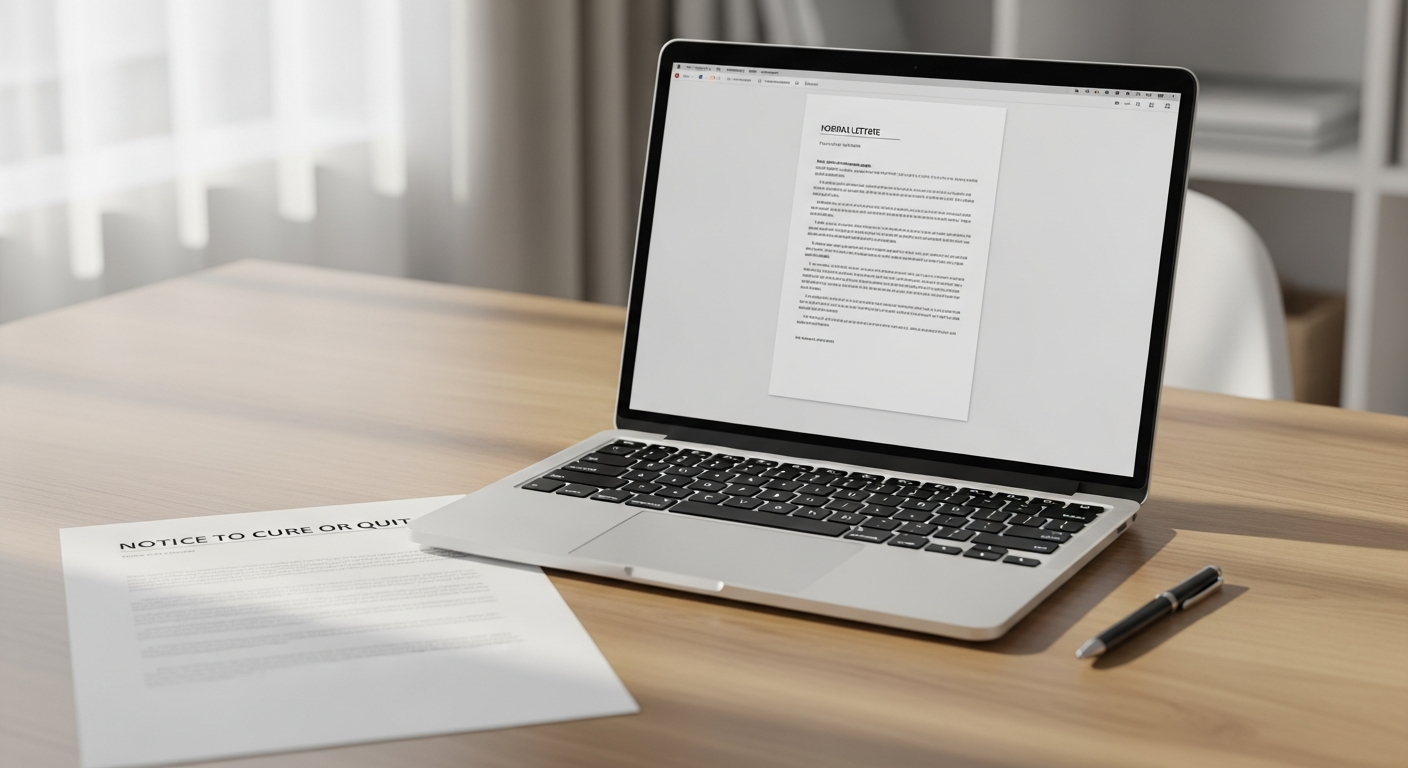

The Lost Art of Professional Letter Writing
In our instant-message world, the ability to write a compelling business letter has become a rare and valuable skill. A well-crafted letter can open doors, resolve disputes, and create opportunities that emails simply cannot.
Essential Elements of a Professional Business Letter
Every effective business letter contains these key components:
1. Professional Letterhead
Your letterhead sets the tone before the reader even starts reading. Include your name or company name, address, and contact information. A clean, professional letterhead immediately establishes credibility.
2. Proper Date Format
Always include the date, typically formatted as "January 26, 2026" for a formal look or "1/26/2026" for a more casual approach. This creates a record and context for your correspondence.
3. Recipient's Information
Include the full name, title, company, and address of your recipient. This shows attention to detail and ensures the letter reaches the right person.
4. Appropriate Salutation
Choose your greeting carefully:
- "Dear Mr./Ms. [Last Name]," for formal situations
- "Dear [First Name]," for established relationships
- "To Whom It May Concern," only when the recipient is unknown
- "Dear Hiring Manager," for job applications when name is unknown
Writing Powerful Opening Paragraphs
Your opening paragraph must accomplish three things:
- State your purpose clearly
- Establish relevance to the reader
- Hook their attention to continue reading
Strong Opening Examples:
- "I am writing to formally request consideration for the Marketing Director position..."
- "Thank you for meeting with me last Tuesday to discuss the partnership opportunity..."
- "This letter serves as official notice of my intent to exercise my rights under..."
The Body: Making Your Case
The body of your letter should:
- Present information in logical order
- Use short paragraphs for readability
- Include specific details, dates, and facts
- Anticipate and address potential questions
- Maintain a professional, respectful tone
Closings That Drive Action
Your closing paragraph should clearly state what you want to happen next:
- "I look forward to discussing this opportunity at your earliest convenience."
- "Please respond within 30 days to confirm receipt of this notice."
- "I would appreciate a meeting to explore how we can work together."
Professional Closing Phrases:
- Sincerely, — Most versatile and universally appropriate
- Best regards, — Slightly less formal but still professional
- Respectfully, — For formal or sensitive communications
- With gratitude, — When expressing thanks
Common Letter Writing Mistakes to Avoid
- Being too wordy — Get to the point quickly
- Using casual language — Avoid slang and contractions in formal letters
- Forgetting to proofread — Errors undermine your credibility
- Unclear calls to action — Tell the reader exactly what you want
- Wrong tone — Match your tone to the situation and relationship
Let AI Help You Write the Perfect Letter
Even with these guidelines, crafting the right words can be challenging. That's where LetterStyler's AI assistant comes in. Simply describe what you want to say, and our AI helps you craft a professional, polished letter in seconds.
Combined with our beautiful templates and professional mailing service, you can go from idea to mailbox with ease.